Garden design and build in Leyton
If you are looking for garden design and build in Leyton, you may already know that a well-planned outdoor space can make a real difference to everyday life. In a busy part of East London, where homes range from Victorian terraces and converted flats to newer developments and commercial premises, a garden needs to do more than look attractive. It needs to work for the way you live, fit the space you have, and stay practical through all seasons. Whether you want a family-friendly garden, a calm place to unwind, a sociable entertaining area, or a professional frontage for a business property, the right design and build approach can turn an unused or awkward plot into something genuinely useful.
Local customers in Leyton often come to garden projects with similar challenges: narrow side access, shared boundaries, small rear gardens, uneven ground, limited storage, overlooked spaces, and older layouts that no longer suit modern life. A tailored service makes those challenges easier to handle. Instead of forcing a generic idea into your plot, a locally informed team can shape the space around your home, your needs, and the conditions common to the area. That can mean better planning, smarter material choices, and a finished garden that feels balanced, durable, and suited to daily use.
From the first idea to the final planting, garden design and build in Leyton is about joining creativity with practical construction. It is not just about adding a few plants or laying a patio; it is about creating an outdoor environment that works from day one and continues to suit you over time. If you are ready to improve your outdoor space, request a free quote and start planning a garden that fits your property and your lifestyle.
Why Leyton homeowners and businesses invest in garden improvements

Leyton has a strong mix of housing styles and property uses, which makes outdoor spaces highly individual. Some gardens are long and narrow, with limited sunlight at the rear. Others are compact courtyards attached to flats, or larger gardens with split levels, tired lawns, and old paving. Commercial customers also need attractive, low-maintenance outside areas that reflect their premises, help create a welcoming first impression, and remain manageable through the working week.
For homeowners, a redesigned garden can create space for outdoor dining, children’s play, quiet seating, growing plants, or secure storage. For landlords and property managers, it can improve the appearance and usability of a rented property. For cafés, offices, clinics, and other business premises, a clean and carefully built exterior can support the overall customer experience. A local garden design and build service in Leyton understands that every project has different priorities, and that the best results come from listening first and designing around what matters most.
One of the biggest benefits of using a local team is practical knowledge. In places like Leytonstone, Walthamstow, Stratford, Clapton, Homerton, and across nearby East London, access can be tight and parking can be difficult. Materials may need to be delivered in stages, waste removal may require careful planning, and some properties need extra thought around access, neighbours, and boundary protection. A local team is better placed to manage those realities efficiently, which helps reduce disruption and keeps the project moving.
What a full garden design and build service can include

Every garden starts with a different brief, but a well-organised service typically covers both design thinking and the build process itself. That means you are not left trying to coordinate separate trades or make decisions without seeing how each element works together. A good project combines layout planning, ground preparation, construction, planting, and finishing details so the result feels joined-up rather than pieced together.
Depending on the property and the intended use, the service may include:
- Site assessment and layout planning to understand levels, sunlight, drainage, and access
- Hard landscaping such as patios, paths, stepping stones, retaining walls, edging, and steps
- Soft landscaping including turfing, planting, beds, borders, hedging, and soil improvement
- Fencing and screening for privacy, safety, and boundary definition
- Decking or seating areas where timber or composite features suit the design
- Lighting and practical features that make the garden usable in the evening
- Storage solutions such as sheds, bin enclosures, and discreet utility areas
- Drainage considerations to help manage surface water and reduce pooling
A complete service can also include removal of old materials, clearing overgrown gardens, reshaping boundaries, and preparing the ground properly before new features are installed. This preparation matters. Without it, even the best-looking design can quickly fail to perform as expected. In a city area like Leyton, where many gardens have been altered over the years, proper groundwork often makes the difference between a short-term cosmetic change and a long-lasting improvement.
Designing a garden that suits your Leyton property

Good design begins with how you want to use the space. A family garden might need lawn, robust paving, and safe edges around play areas. A low-maintenance garden could focus on structured planting, clean paving, and simple lines that are easy to keep tidy. A social space might call for enough room for a table, cooking area, or built-in bench seating. Small gardens often benefit from clever zoning, vertical planting, and a restrained material palette that makes the area feel more open.
In Leyton, many properties benefit from designs that make the most of limited width or awkward proportions. Narrow gardens often need careful circulation routes so the space does not feel cut in half. Terraced homes may need privacy screening and strong boundary treatments to reduce the sense of being overlooked. Flats and lower-ground properties may need a more tailored approach to levels, drainage, and access. A skilled garden design and build in Leyton project takes all of this into account before work starts, rather than trying to solve problems halfway through.
Style is important too, but style should always support use. Some customers prefer a modern finish with porcelain paving, sleek planters, and minimalist planting. Others want a softer, more natural feel with timber, gravel, ornamental grasses, shrubs, and seasonal colour. Traditional homes in and around Leyton often suit designs that respect the character of the property, while newer developments may benefit from sharper lines and durable materials that age well. The aim is not to copy a trend, but to build a garden that feels right for your home and remains enjoyable year after year.
The build process: from clearing the space to final finishes
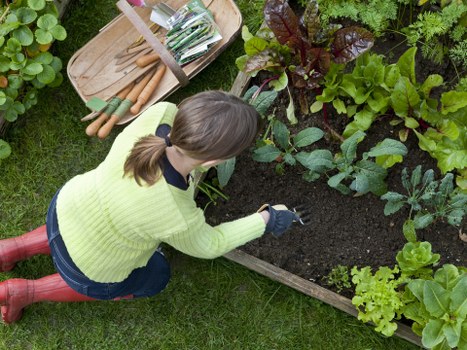
Once the design has been agreed, the build stage turns ideas into a practical outdoor space. This usually starts with clearing the site, removing unwanted surfaces, trees, shrubs, or old structures, and assessing the ground beneath. In older Leyton gardens, previous work may have been done in layers over many years, so the hidden condition of the site can vary. That is why careful preparation is essential.
Typical build stages include:
- Initial set-out and marking of the proposed layout
- Excavation, levelling, and removal of waste materials
- Ground stabilisation, soil improvement, or sub-base installation
- Construction of patios, paths, retaining features, edging, and steps
- Installation of fencing, screens, gates, or other boundary elements
- Planting, turfing, mulching, and final soil preparation
- Attention to finishing details such as joins, edges, and transitions
Attention to detail matters at every stage. Good edges make a garden easier to maintain. Proper levels improve drainage and comfort underfoot. Thoughtful material transitions help the whole garden feel cohesive. Even small decisions, such as where to place a path or how to break up a long rectangle, can transform how the space feels when you actually use it.
Garden styles popular with Leyton customers
There is no single correct way to shape a garden in Leyton, but some approaches are particularly useful in local properties. The right style depends on the age of the home, the size of the plot, the amount of light, and how much maintenance you want to take on. A well-planned design can balance appearance with everyday practicality, making the space easier to enjoy and easier to care for.
Many local customers ask for one of the following approaches:
- Low-maintenance gardens with simple planting, durable paving, and structured layout
- Family gardens with lawn, robust surfaces, and safe, usable zones for children
- Entertaining spaces with patio areas, seating, and lighting for relaxed evenings
- Modern urban gardens with clean lines, bold materials, and architectural planting
- Traditional gardens that suit period homes and softer planting schemes
- Compact courtyard designs for small outdoor spaces that still need to feel inviting
There is also growing demand for gardens that support flexible living. For example, some customers want an area that works as a play space in the day, an outdoor dining area in the evening, and a quiet retreat at weekends. Others need a garden that looks smart without constant upkeep because they travel, work long hours, or manage several properties. In those cases, smart layout and material selection are just as important as planting.
Materials and features that work well locally
The best materials depend on the look you want and the conditions of the site. In Leyton, where gardens often combine shade, variable soil, and close neighbouring boundaries, it is sensible to choose materials that are attractive but also resilient. Hard landscaping should be installed on a stable base and selected with long-term use in mind, especially in family gardens or high-traffic spaces.
Popular choices often include natural stone, porcelain paving, timber, composite decking, gravel, brick edging, and quality fencing. Planting schemes may include evergreen structure, seasonal colour, pollinator-friendly planting, and climbers for walls or screens. Where privacy is important, layers of planting can soften the edges of the garden without making the area feel enclosed. In smaller spaces, vertical planting and raised features can add interest without taking up too much floor area.
What makes local knowledge valuable in Leyton
A local service brings more than convenience. It brings a practical understanding of how gardens in the area tend to behave and what often needs to be planned for in advance. In parts of Leyton and nearby East London, access through the property can be narrow, and larger materials may need careful handling. Rear access is not always available, which means waste removal and material delivery must be organised so the project remains tidy and efficient.
Local knowledge also helps with the kind of details that affect the final result. Some gardens have limited afternoon sun because of surrounding buildings. Others sit beside busy streets or neighbouring terraces, so privacy and screening become more important. Some have older paving that has settled unevenly, while others have soil conditions that need improving before planting can really thrive. A team familiar with the area can spot these issues early and plan around them, which helps avoid unnecessary delays or awkward changes later on.
For commercial customers, working locally can also be useful because ongoing access matters. A business may need the outdoor area updated without affecting opening hours, deliveries, or customer movement. A local team is more likely to appreciate those pressures and plan the work accordingly. If you are managing a property in Leyton, Stratford, or the surrounding neighbourhoods, choosing a nearby specialist can make communication, scheduling, and site management much easier.
What to expect when you book a garden project
Customers often want to know how the process works before they enquire. A clear and well-managed project should feel straightforward from the start. While every garden is different, the general process usually follows a simple pattern: initial discussion, site visit or assessment, design ideas, proposal, build, and final finishing. The goal is to keep everything clear so you know what is happening and when.
A typical project may involve:
- Discussing what you want the garden to do and how you use the space
- Reviewing the site, including access, drainage, levels, and existing features
- Agreeing on layout, materials, planting style, and any special requirements
- Preparing the ground and removing old or unwanted features
- Building the new garden in stages, with attention to structure and finish
- Adding planting and final details so the space is ready to enjoy
It is usually helpful to be clear about priorities from the outset. For example, if you want more seating than lawn, say so early. If maintenance must stay low, that should shape the plant and material choices. If you need the garden to be child-friendly, pet-friendly, or suitable for entertaining, those needs should influence the layout. The more clearly the brief is defined, the easier it is to create a result that genuinely fits your household or business.
Preparation checklist before work begins
A little preparation helps the project run smoothly. Before your garden build starts, it can be useful to take care of a few simple tasks and think through the following points:
- Remove personal items, outdoor furniture, and fragile ornaments from the work area
- Check side access routes and any gate widths that may affect deliveries
- Discuss where tools, materials, and waste containers can be placed safely
- Flag any shared boundaries, neighbour concerns, or access arrangements
- Identify any existing drainage issues, hidden services, or problem areas
- Think about whether you want lighting, irrigation, storage, or screening included
These steps are not complicated, but they help prevent avoidable delays. They also make it easier to keep the site organised during the build. For properties in Leyton with limited outdoor access, a bit of planning around routes and timing can make a noticeable difference to the overall experience.
Pricing factors for garden design and build in Leyton
Every outdoor project is different, so the cost will depend on a range of practical factors rather than a simple one-size-fits-all figure. Customers often appreciate knowing what affects the overall price, even before they ask for a quote. That makes it easier to compare options and decide what matters most for the project.
Common pricing factors include:
- Garden size and complexity
- Site access and how easy it is to remove waste or bring in materials
- Ground conditions, levels, and drainage requirements
- Choice of materials for paving, fencing, decking, and features
- Amount of clearing or demolition needed before the new work begins
- Planting scope and whether mature plants or specialist species are included
- Additional features such as lighting, storage, water features, or bespoke elements
It is worth remembering that a lower upfront cost does not always offer the best long-term value. A garden built with poor preparation or unsuitable materials may need repair sooner than expected. By contrast, a properly planned garden can be easier to maintain, more pleasant to use, and better suited to the property for years to come. When comparing options, look at what is included, how the build will be managed, and whether the design addresses the practical needs of your space.
Why choose a local company for your Leyton garden project
Choosing a local company for garden design and build in Leyton brings several advantages that matter to real customers. First, there is the practical side: local teams are easier to schedule, easier to brief, and more familiar with the kinds of access and site conditions common in East London. Second, there is the communication side: when a company works regularly in nearby areas, it is usually better placed to understand what local customers are asking for and what kind of finish suits the property.
Local experience also helps with timing and logistics. Narrow streets, limited parking, and shared driveways can all affect how a project runs. A team that is used to working around those conditions is more likely to plan sensibly and keep disruption to a minimum. That can be particularly important if you live in a terraced property, manage tenants, or need the work carried out with consideration for neighbours and nearby businesses.
There is also a design benefit. Gardens in Leyton are often compact, overlooked, or shaped by previous alterations, so they need practical solutions rather than generic ideas. A local specialist is more likely to suggest a layout, planting scheme, or material mix that suits the reality of the space. That can make the finished garden feel more comfortable, more durable, and more connected to the way you live.
Areas covered around Leyton
Garden projects in and around Leyton often extend into nearby neighbourhoods where similar property types and access conditions are common. A local team can typically support customers across surrounding East London locations, including areas such as Leytonstone, Walthamstow, Stratford, Forest Gate, Clapton, Homerton, Hackney Wick, and neighbouring residential and commercial districts.
That wider local coverage is useful because many people live or work close to Leyton but still need a garden specialist who understands the area’s character. If you manage a home, rental property, shop frontage, office outdoor area, or shared communal space nearby, it is helpful to use a team that already understands the local environment and the practicalities involved in working there.
Frequently asked questions
How long does a garden design and build project take?
The timeline depends on the size of the garden, the amount of preparation needed, the materials selected, and whether access is straightforward. A simple project may move quickly, while a more detailed redesign with landscaping, planting, and custom features will take longer. A clear schedule should be discussed before work begins so you know what to expect.
Can you help with small gardens in Leyton?
Yes. Small gardens often benefit most from thoughtful design because every metre matters. Careful layout, space-saving planting, and well-chosen materials can make a compact garden feel larger, tidier, and easier to use. Small does not mean limited; it just means the design needs to be especially efficient.
What if my garden has poor drainage or uneven ground?
These are common issues in many local properties. A proper site assessment can identify the best way to deal with them before construction starts. That may involve ground preparation, regrading levels, introducing drainage solutions, or choosing surfaces that suit the site conditions. Tackling these issues early is essential for a reliable result.
Do I need to know exactly what I want before I enquire?
No, but it helps to have an idea of what you hope to achieve. You might know that you want more privacy, a better seating area, or less maintenance. From there, the design can be developed around your needs, the shape of the garden, and the available budget. Even a rough brief is enough to begin the conversation.
Can commercial properties in Leyton use the same service?
Yes. Commercial gardens and outdoor areas often need a different balance of durability, presentation, and maintenance needs, but the same basic design and build principles apply. A business frontage, communal space, or hospitality outdoor area can all benefit from a tailored approach that suits daily use.
What customers value most in a garden transformation
When people invest in their outdoor space, they usually want more than a cosmetic update. They want a garden that feels usable, attractive, and appropriate for the property. In Leyton, where many homes and commercial sites have limited outdoor space, value often comes from making that space work harder. That could mean better flow, more seating, easier maintenance, improved privacy, or a stronger visual connection between the house and the garden.
The most successful projects tend to share a few qualities: clear planning, good preparation, practical material selection, and careful finishing. They do not rely on one dramatic feature alone. Instead, they combine structure, planting, and useful details in a way that feels natural. That is why a professional garden design and build in Leyton service can make such a difference. It brings together the creative and practical sides of the work so the result is attractive, functional, and suited to local conditions.
If you are thinking about improving your outside space, now is a good time to start planning. Whether your goal is a family-friendly garden, a smart modern courtyard, a low-maintenance outdoor area, or a refreshed commercial frontage, the right design and build approach can help you get there. Contact us today to discuss your ideas, request a free quote, or book your service now and take the next step toward a better garden in Leyton.